Unit trusts explained: a free webinar
An hour on how unit trusts work, what they cost and how to check a fund manager is licensed, with time for your questions.
An official service of the Securities and Exchange Commission of ZimbabweSECZ






Free investor education from the Securities and Exchange Commission of Zimbabwe
Plain-language guides, tools and quizzes on saving, investing and the capital markets – and how to keep your money safe from scams.
An hour on how unit trusts work, what they cost and how to check a fund manager is licensed, with time for your questions.
A week of money lessons, quizzes and talks for young people in schools and colleges across Zimbabwe.
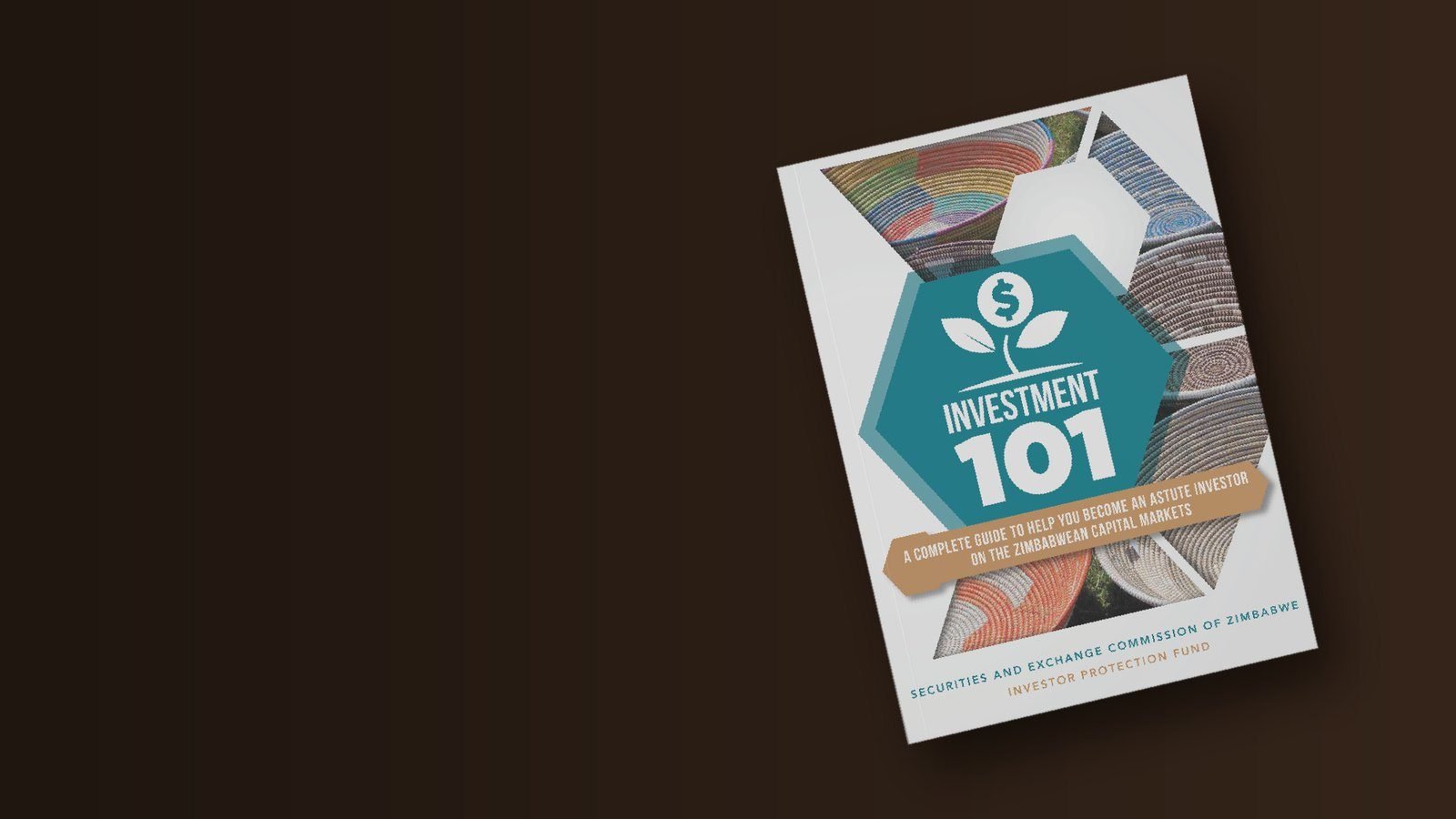
The Investor Education Department’s plain-language handbook for new investors is available free of charge.
The InvestWise word search returns. Find ten investing words, then share your time with friends.
From the world’s first stock exchange to the ZSE today: a new page of short facts, with a different one on the home page every day.
The Investor Education Department’s monthly report on the GroWealth unit trust for January 2026. Opens as a PDF.
Choose the situation closest to yours. Each route takes you to the lessons, tools and checks that matter most.



Five paths, one after another, from your first questions to managing your own portfolio. Each lesson takes a few minutes; sign in and we keep your place and award a certificate for every path you finish.
 1
The basics of saving and investing: why invest, setting goals, risk and return, and spreading your money.
7 lessons
 2
Zimbabwe’s capital markets and exchanges, who does what, and how to buy and sell shares.
7 lessons
 3
Shares, unit trusts, bonds, ETFs, REITs and other products: how each works and what to watch out for.
5 lessons
 4
How investment fraud works, the warning signs, and what to do if you are targeted.
5 lessons
 5
Your rights as an investor, keeping track of your portfolio, dividends and corporate actions.
4 lessons
Stockbrokers, advisers and fund managers must be licensed by the Commission. If a firm or person is not on the register, do not invest with them.
US$50 a month does not sound like much. Change the numbers and watch what time and compounding do with it.
Short stories about everyday money decisions. The people are made up; the situations are ones Zimbabweans face every week.
A WhatsApp group promised 30% a month. Rudo’s cousin was already “earning”. Here is what happened next, and the signs she nearly missed.
A graduate in Gweru wanted to own part of the companies he used every day. He learned how to choose a stockbroker, what a broker’s note is, and why costs matter.
With their daughter starting secondary school in six years, the Moyos set a goal, built an emergency fund and chose a unit trust. Small, regular amounts did the rest.
Clearing out an old trunk, Farai found broker’s notes from the 1990s. Were the shares still his family’s? And who was the caller asking for a “release fee”?

The Commission’s Investor Education Department visits schools, colleges, workplaces and communities across Zimbabwe, runs schools quizzes on the capital markets, and publishes free guides and videos.


Question of the day
Roughly what do the published charges on listed shares add up to when you buy?
The published total is 1.693% on purchases and 2.443% on sales, including the 1% capital gains withholding tax. Take the full quiz: Capital markets in Zimbabwe
Every quiz explains its answers, and the games are built on situations investors in Zimbabwe really face.
Standard formats for financial statements make it easier to compare one company with another.
An independent party that oversees a collective investment scheme to protect investors.
About once a month: scam warnings, new lessons and quizzes, and upcoming events near you. Free, and you can unsubscribe at any time.